How to Present New Features to the Development Team

TL;DR :-
Discover how to prepare, structure, and present new features clearly so development teams understand goals, scope, and technical expectations immediately.
Learn practical steps to align team capacity, communicate effectively, and ensure smooth collaboration across engineering teams.
Explore proven techniques for follow-ups, feedback loops, and avoiding common mistakes that delay delivery and reduce feature adoption success.
Software teams rarely fail because of poor coding. They fail because features are introduced without clarity, context, or engineering alignment.
Product managers explain ideas. Developers hear unclear requirements. Sprint velocity drops, rework increases, and delivery confidence weakens.
Many teams treat feature presentations as announcements instead of engineering conversations. Developers need architectural context, technical constraints, and business intent before implementation begins.
If your feature kickoff feels confusing, slow, or filled with repeated questions, the problem is not your team. The problem is how features are presented.
This guide explains how experienced IT leaders present features in a way developers trust, understand, and execute efficiently.
Things You Have to Check Before Preparing a Feature Development Presentation
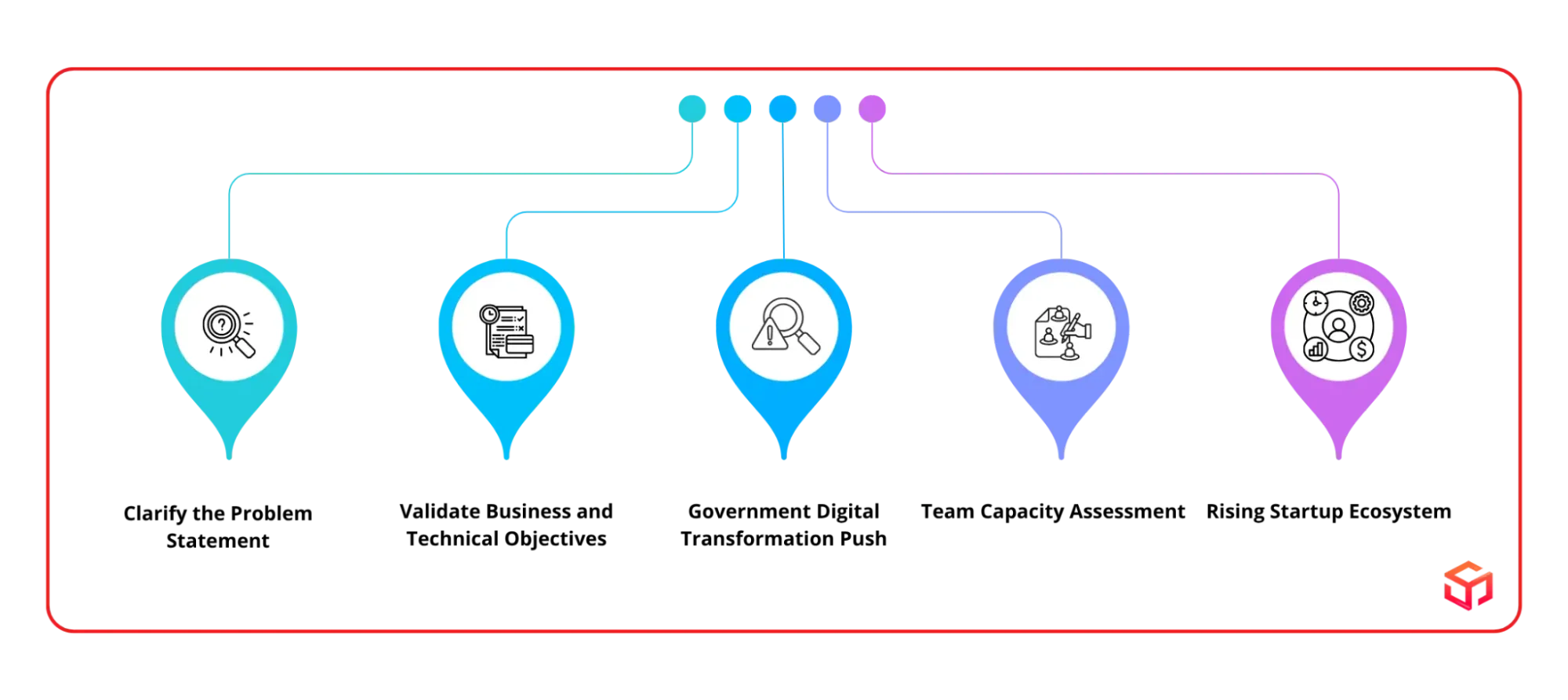
Before opening slides or scheduling meetings, leaders validate readiness. Successful feature discussions start long before presentation day, ensuring technical clarity, delivery feasibility, and organizational alignment are already in motion.
A strong feature presentation begins with preparation checkpoints that eliminate confusion and prevent costly execution mistakes.
Clarify the Problem StatementDevelopers build solutions, not ideas. Define the user pain clearly. Explain why the feature exists, what problems users face today, and how solving it improves system efficiency or user experience.
Validate Business and Technical ObjectivesEnsure engineering goals align with product outcomes. Confirm performance expectations, scalability needs, and measurable success metrics before presenting the feature roadmap.
Identify Dependencies EarlyMap integrations, APIs, legacy constraints, and infrastructure limitations. Early dependency awareness prevents sprint interruptions and reduces unexpected architectural redesign later in development.
Assess Whether the In-House Team Can Deliver on Time or Needs External SupportEvaluate team bandwidth, skill specialization, and sprint commitments. If delivery risks appear high, consider external engineering augmentation or offshore collaboration before timelines are finalized.
Define Success MetricsPresent how success will be measured – adoption rate, latency improvement, conversion uplift, or system stability. Engineers engage more deeply when outcomes are measurable and meaningful.
Unsure Before Hiring Developers?
Remove hiring uncertainty completely. Start with Soft Suave’s 40-hour free trial to experience communication quality, technical expertise, and delivery reliability before making any commitment.
Start TrialHow to Present New Features to Your Offshore Development Team
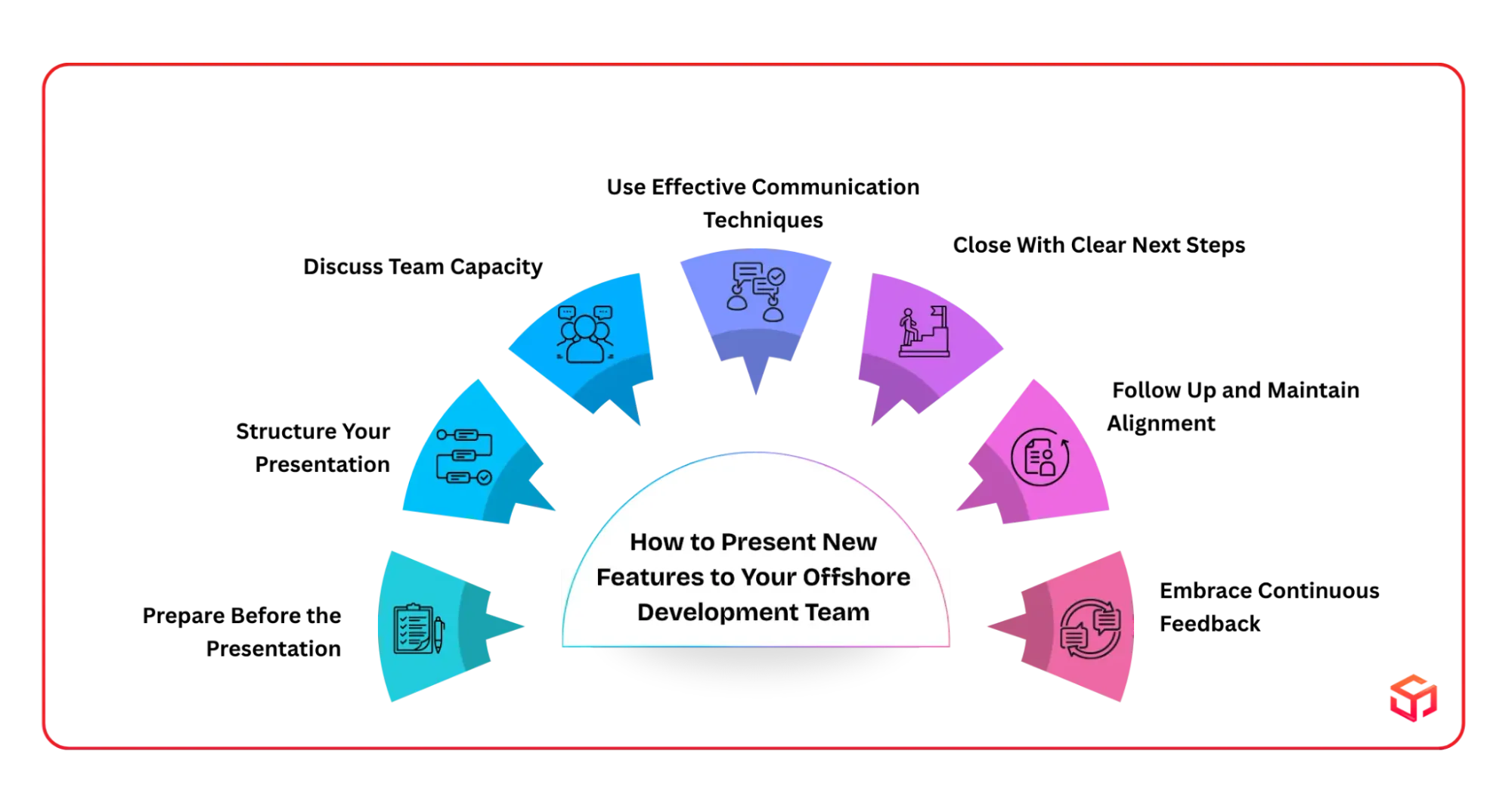
Distributed engineering environments introduce communication gaps that traditional presentations cannot solve. Offshore teams require additional clarity, asynchronous collaboration practices, and stronger documentation discipline to maintain delivery alignment.
Presentations must bridge geography, culture, and time zones while maintaining shared ownership across all contributors.
Offshore development teams perform best when information is structured for clarity rather than speed.
Step 1 – Prepare Before the Presentation
Preparation determines whether a feature meeting becomes a productive collaboration or another status discussion. Experienced engineering leaders invest time in discovery and validation before presenting any development initiative.
Strong preparation transforms presentations into decision-making sessions rather than explanation sessions.
Start With User ContextDescribe real user workflows affected by the problem. Developers align faster when they understand operational impact instead of abstract product terminology.
Prepare Technical ArtifactsBring wireframes, API expectations, data flow diagrams, and architectural assumptions. Visual engineering context accelerates comprehension far more effectively than text-heavy slides.
Validate With Senior Engineers FirstConduct pre-alignment conversations with technical leads. Early feedback prevents unrealistic proposals and strengthens confidence during the main presentation.
Anticipate Engineering QuestionsPrepare answers around scalability, performance risks, backward compatibility, and integration challenges. Engineers respect presenters who anticipate technical realities.
Define Scope BoundariesClarify what is included and excluded from the feature. Scope clarity protects sprint planning and prevents uncontrolled requirement expansion.
Step 2 – Structure Your Presentation
Structure determines how quickly developers understand the feature’s intent. A logical flow helps engineers process business goals, technical impact, and execution expectations without confusion or repeated clarification.
A predictable structure improves engagement and accelerates technical alignment across teams.
Follow this proven engineering presentation framework:
Problem FirstExplain the operational or user challenge driving development. Engineers prioritize solving real problems, not implementing isolated features without a clear purpose.
User Impact ExplanationShow how workflows improve after implementation. Demonstrating outcome value increases engineering ownership and motivates better technical solutions.
Proposed Solution OverviewIntroduce the feature logically, connecting it directly to the previously defined problem. Avoid marketing language; focus on functional capability and system behavior.
Technical OverviewDiscuss architecture expectations, dependencies, APIs, performance considerations, and potential risks. Technical transparency builds trust immediately.
Define Success MetricsExplain measurable outcomes such as reduced processing time, improved reliability, or increased adoption. Engineers engage deeply when success criteria are visible and achievable.
Step 3 – Discuss Team Capacity
Even the best feature ideas fail when delivery expectations ignore engineering workload realities. Capacity discussions transform presentations into collaborative planning exercises instead of top-down directives.
Teams commit more confidently when workload transparency exists.
Evaluate Sprint AvailabilityReview ongoing commitments, release schedules, and operational workloads. Introducing new work without considering sprint capacity leads to burnout and delivery instability.
Identify Skill RequirementsDetermine whether specialized expertise like DevOps, AI integration, or backend optimization is required. Skill alignment prevents bottlenecks during development cycles.
Assess Technical Debt ImpactNew features often depend on unresolved legacy constraints. Acknowledge technical debt openly to ensure planning reflects engineering reality rather than ideal scenarios.
Plan External or Offshore Support if NeededScaling resources early prevents delays later. Strategic external collaboration helps maintain velocity without compromising product quality or team morale.
Step 4 – Use Effective Communication Techniques
Communication style directly influences how developers interpret feature intent. Clear, structured communication removes uncertainty and strengthens collaboration between product leadership and engineering teams.
Effective communication prioritizes clarity over persuasion.
Use Engineering LanguageReplace business jargon with system-focused explanations. Developers respond better to workflows, logic, and measurable outcomes than high-level product narratives.
Encourage Two-Way DialoguePause frequently for questions and technical feedback. Feature presentations succeed when engineers actively shape implementation rather than passively receiving instructions.
Use Visual DemonstrationsDiagrams, prototypes, and live demos accelerate understanding. Visual walkthroughs reduce misinterpretation and shorten implementation discussions significantly.
Explain Trade-Offs TransparentlyDiscuss constraints, risks, and limitations openly. Honest communication builds trust and prevents unrealistic expectations during delivery phases.
Summarize Key Decisions ClearlyReinforce alignment by restating agreed priorities and assumptions. This ensures every participant leaves with an identical understanding.
Feature Rollouts Stalling Your Team?
Unclear requirements slow releases and frustrate developers. Soft Suave’s expert engineers translate product vision into execution-ready solutions that keep your roadmap moving confidently.
Fix Delivery TodayStep 5 – Close With Clear Next Steps
Closing a presentation effectively determines whether momentum continues or fades. Strong closures convert discussions into actionable execution plans that engineering teams can immediately operationalize.
The final minutes of the meeting shape delivery success.
Assign OwnershipClearly identify responsible engineers, product owners, and reviewers. Defined ownership eliminates uncertainty and accelerates decision-making during development.
Confirm Delivery MilestonesAgree on timelines, sprint inclusion, and release expectations. Shared milestones align stakeholders and reduce scheduling conflicts.
Define the Definition of DoneClarify acceptance criteria, testing expectations, and deployment readiness standards. Engineers work faster when completion expectations remain clear.
Document Decisions ImmediatelyShare meeting summaries and action items quickly. Documentation ensures alignment survives beyond the discussion itself.
Step 6 – Follow Up and Maintain Alignment
Feature presentations do not end when meetings conclude. Continuous alignment ensures teams maintain shared understanding as development progresses and technical realities evolve.
Follow-up practices sustain execution clarity. Send recap documentation summarizing decisions, risks, and ownership. Engineers rely on written references when implementing complex features across multiple sprints.
Maintain visibility through shared tools such as backlog systems, sprint boards, and roadmap dashboards. Transparency prevents misunderstandings across distributed teams.
Schedule checkpoint reviews or demo sessions. Regular validation keeps implementation aligned with original objectives while allowing necessary adjustments.
Step 7 – Embrace Continuous Feedback
Modern software delivery thrives on iteration. High-performing teams treat feature presentations as the beginning of collaboration rather than the final planning milestone.
Continuous feedback strengthens both product quality and engineering confidence. Encourage early demos of partial implementations. Showing work early enables rapid validation and prevents late-stage redesign.
Create safe spaces for engineers to challenge assumptions. Technical feedback often reveals hidden risks invisible during initial planning.
Integrate learnings back into roadmap decisions. Continuous feedback loops transform teams from execution units into innovation partners.
Advanced Tips for Agile / Distributed Teams
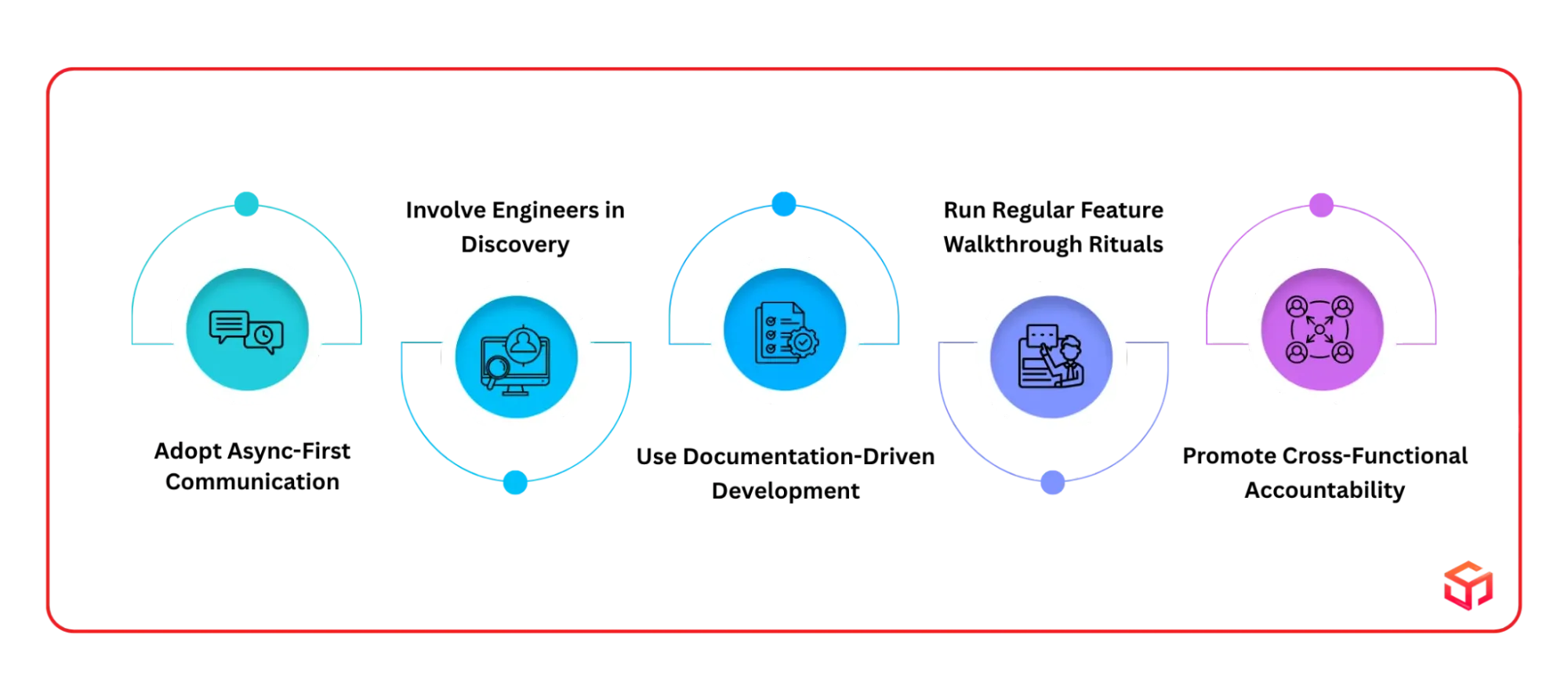
Agile and globally distributed teams require mature collaboration strategies. Advanced practices help organizations maintain velocity, alignment, and quality despite complexity and scale.
These techniques elevate feature presentations into leadership-level execution frameworks.
Adopt Async-First CommunicationRecord demos, share design documents, and enable independent review cycles. Async collaboration reduces meeting overload while supporting distributed engineering productivity.
Involve Engineers in DiscoveryInvite developers into problem exploration phases. Early participation increases ownership and improves solution quality through technical insight.
Use Documentation-Driven DevelopmentMaintain technical documents describing architecture decisions, workflows, and constraints. Documentation ensures consistency across evolving teams.
Run Regular Feature Walkthrough RitualsWeekly or bi-weekly demos maintain alignment and encourage transparency. Continuous visibility reduces surprises near release deadlines.
Promote Cross-Functional AccountabilityProduct managers, designers, QA engineers, and developers share responsibility for outcomes. Collaborative ownership strengthens delivery culture.
Want Developers Who Deliver Features Right?
From scalable architecture to clean implementation, Soft Suave’s engineers integrate into your workflow, helping you ship reliable features faster while maintaining performance, quality, and stability.
Hire ExpertsCommon Mistakes to Avoid while Presenting New Features to the Development Team
Many feature initiatives fail not because of technical complexity but because of avoidable communication mistakes. Recognizing these pitfalls helps teams maintain execution clarity from the beginning.
Avoid these common errors:
Starting With the Solution Instead of the ProblemJumping directly into feature explanation confuses developers. Without understanding the problem context, engineers cannot evaluate feasibility or propose better architectural approaches.
Overloading Slides With InformationDense presentations reduce engagement. Developers prefer concise explanations supported by diagrams rather than excessive documentation during live discussions.
Ignoring Engineering FeedbackTreating presentations as final decisions discourages collaboration. Teams deliver stronger solutions when feedback influences planning.
Skipping Capacity DiscussionsUnrealistic timelines damage morale and delivery reliability. Ignoring workload realities leads to rushed development and increased defect rates.
Failing to Define Success MetricsWithout measurable outcomes, teams cannot evaluate success. Clear metrics guide prioritization and post-release evaluation.
No Follow-Up CommunicationMany features stall because alignment fades after meetings. Continuous updates maintain momentum and shared understanding.
Conclusion
Feature presentations shape how software gets built. When done correctly, they align product vision with engineering execution and transform teams into collaborative problem solvers.
Great leaders do not simply explain features. They create clarity, invite technical ownership, and build confidence across distributed teams. Every successful delivery begins with shared understanding.
Start treating feature presentations as engineering strategy sessions rather than status updates. Prepare deeply, communicate clearly, and reinforce alignment continuously.
The teams that master this process ship faster, reduce rework, and build products that developers genuinely believe in. Your next feature presentation can become the turning point for delivery excellence.
FAQs
Should developers always review documentation before a feature presentation?
Documentation helps provide background context, but presentations remain essential for discussion, clarification, and alignment. Engineers benefit most when documentation and live conversations complement each other rather than replace one another.
Can a feature presentation be too long?
No, a feature presentation does not need to be too long as long as the discussion remains productive and focused on execution. Keep sessions structured, interactive, and outcome-driven, while moving deep technical debates to follow-up working meetings when necessary.
Should product managers handle technical questions alone?
No. Feature presentations work best when engineering leads participate actively. Collaborative responses strengthen trust, ensure technical accuracy, and encourage shared ownership across product and development teams.
Is it okay to skip follow-up after presenting a feature?
Skipping follow-up risks misalignment and delivery delays. Recap communication, documentation updates, and checkpoint reviews ensure teams maintain clarity as development progresses and implementation details evolve.

Ramesh Vayavuru is the Founder & CEO of Soft Suave Technologies, with 15+ years of experience delivering innovative IT solutions.
Related Blogs