
Data Pipeline Development Services
Build data pipelines that move information across databases, applications, cloud environments, and internal systems while supporting analytics, AI, and reporting.
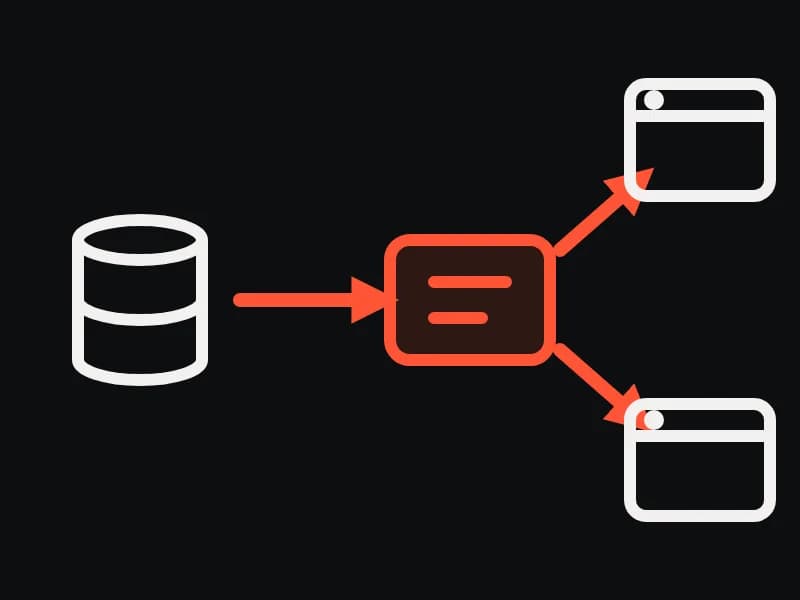

Build connected data foundations that move information reliably across applications, databases, cloud environments, and business systems. Create consistent, accessible data that supports reporting, analytics, artificial intelligence, and informed decision-making as your business requirements continue to grow.
Soft Suave provides data engineering services to structure data flows, build reliable pipelines, integrate systems, and support analytics and AI.




Plan your data engineering project
Alert: This form is for business, not candidates. To apply for jobs, click here. to see open jobs at Soft Suave
We combine AI-enabled engineering with 14+ years of product development expertise to help clients build scalable AI solutions, automate complex workflows, and integrate systems for measurable business outcomes.


























Data engineering services help businesses collect, connect, organize, and move data across applications, databases, cloud environments, and internal systems. They create the technical foundation required to make business data accessible and usable across different technology environments.
A well-structured data foundation supports reliable data flows between systems and prepares information for applications, reporting, analytics, and AI workloads. Data engineering also helps businesses reduce disconnected data environments and establish clearer ways for information to move where it is needed.
Soft Suave provides data engineering services focused on building data pipelines, connecting databases and business systems, supporting cloud-based data environments, and creating structured data foundations around existing technology and business requirements.
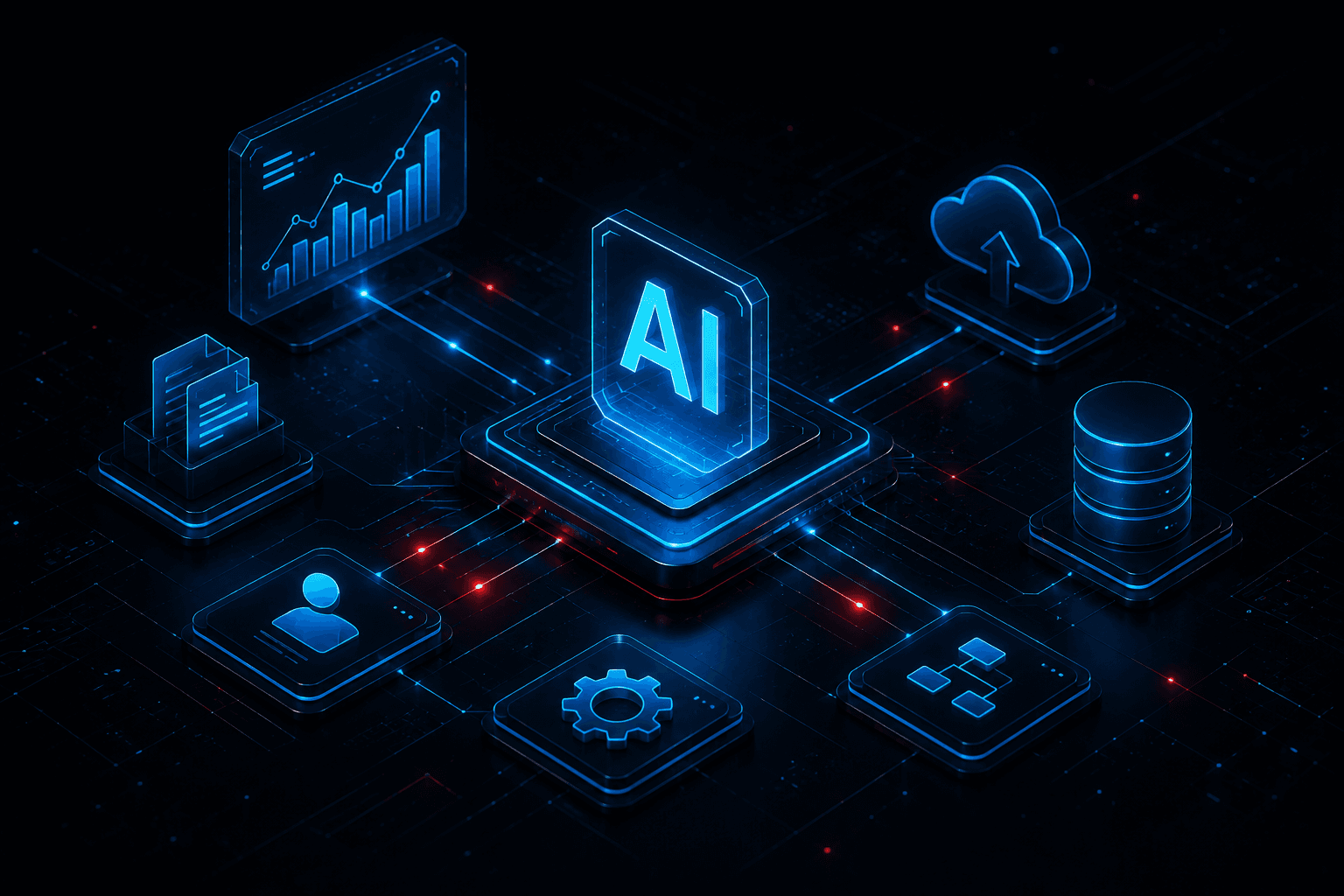
Soft Suave helps businesses turn scattered data into reliable, usable information that supports smoother operations, better decisions, and stronger digital systems.
Build data pipelines that move information across databases, applications, cloud environments, and internal systems while supporting analytics, AI, and reporting.
Build structured data foundations that organize how business information is connected, accessed, and made available across different technology environments.
Connect databases, applications, and internal systems so required business data can move between the platforms and workflows that depend on it.
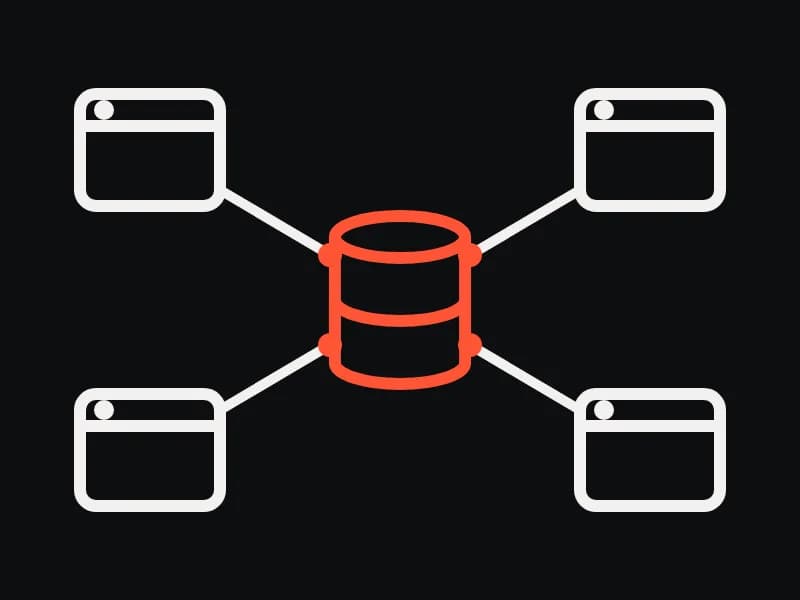
Build and support data flows across cloud-based environments while working with existing databases, applications, storage systems, and infrastructure requirements.
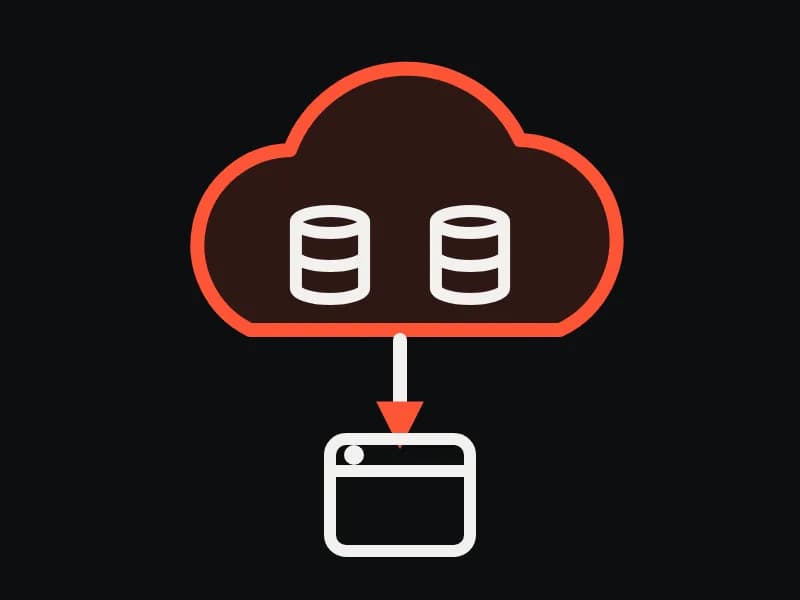
Structure and connect business data so reporting and analytics environments can access the information required for dashboards, analysis, and decision-making.
Prepare connected data foundations that make relevant business information available to AI applications, model workflows, RAG systems, and other intelligent solutions.
A structured process helps keep data engineering work focused, transparent, and aligned with your business needs from the beginning. We follow a clear path for planning, implementation, validation, and delivery while adapting the work to your existing environment.
Define the business process, application, analytics need, or AI use case the data engineering work must support from the start.
Review databases, applications, cloud storage, internal systems, and existing connections to understand the current data environment before planning implementation work.
Define how data should move between source and destination systems, considering required connections, workflows, dependencies, and downstream business use cases.
Build the agreed pipelines, system connections, and supporting components while keeping implementation aligned with the approved architecture and project scope.
Validate completed data flows against agreed requirements, identify issues, and resolve them before the implementation moves into the target environment.
Deploy the solution into the target environment and confirm that it operates correctly within the surrounding application and data ecosystem.
Outsourced data engineering can provide additional engineering capacity for defined data initiatives, while an in-house approach keeps the capability within the internal organization. The right approach depends on the required deliverables, available internal expertise, project scope, and long-term ownership requirements.
| Consideration | In-House Data Engineering | Outsourced Data Engineering |
|---|---|---|
| Engineering capacity | Built and maintained internally | External capacity can support defined engineering work |
| Specialist requirements | Depends on skills available within the internal team | Skills can be aligned with the agreed project requirements |
| Delivery responsibility | Managed through internal engineering resources | Responsibilities are defined through the agreed engagement scope |
| Scaling project capacity | Requires available internal resources | Capacity can be aligned with changing project requirements |
| Long-term ownership | Capability remains directly within the organization | Internal ownership can continue after agreed external delivery |
Data engineering outsourcing should be evaluated against the specific systems, deliverables, internal capacity, and ownership model required for the project rather than as a general replacement for an internal engineering team.
Data engineering can support business systems that need information to move reliably between multiple applications, databases, cloud environments, and downstream tools.
When reporting depends on information stored across separate systems, data engineering connects approved business information and creates reliable flows for reporting.
When applications require data from databases or backend systems not built for direct access, data engineering creates the connections needed to use it.
When teams repeatedly export, transfer, or adjust information between systems, data engineering creates structured flows that reduce manual movement between platforms.
When approved business information is scattered across systems, data engineering makes required data accessible to analytics environments and AI applications.
When digital products depend on information from databases, backend platforms, or approved cloud environments, data engineering connects the required sources and systems.
Build reliable data foundations that connect critical systems, improve data access, and support analytics, applications, and AI across industries.
Connect financial data across applications and databases to support reporting, transaction workflows, analytics, and other approved digital systems.
Structure data flows across healthcare applications and systems to support secure access, reporting, analytics, and connected digital experiences.
Connect learning platforms, applications, and databases so educational data can support reporting, personalization, analytics, and digital learning experiences.
Connect product, customer, order, and operational data across platforms to support reporting, applications, analytics, and business workflows.
Build connected data flows across operational systems to support shipment visibility, reporting, analytics, planning, and logistics applications.
Connect data across network, customer, and operational systems to support reporting, analytics, applications, and approved AI initiatives.
Soft Suave brings together data foundations, application engineering, cloud technologies, and AI capabilities to support connected data initiatives across modern technology environments. As a data engineering services company, we help businesses build data systems that work effectively with the applications, platforms, and workflows that depend on them.
Bring 14+ years of technology engineering experience across applications, cloud environments, databases, and connected systems.
Work with 400+ AI & Engineering Specialists across applications, backend, cloud technologies, and data foundations.
Soft Suave connects applications, backend platforms, AI systems, databases, cloud environments, and data foundations together.
Work across technology environments using AWS, Microsoft Azure, and Google Cloud based on project requirements.
Soft Suave maintains an ISO/IEC 27001:2022-certified information security management system across development and delivery activities.
Soft Suave supports global delivery through teams across Chennai, Bengaluru, and the United States.
Discuss your data engineering requirements with our team. We’ll review your project scope, clarify your needs, and confirm pricing based on the required services, complexity, timeline, and deliverables.
Explore how our AI solutions helped businesses automate workflows, reduce effort, improve decisions, and achieve measurable impact across industry projects.

Built a real-time Vision AI solution to detect vehicles, classify multiple lanes, and recognize floating axles, achieving 95%+ accuracy while improving congestion monitoring and toll inspection decisions across transportation networks.

Modernized a unified subscription commerce platform with scalable architecture, faster merchant onboarding, secure payments, enhanced subscriptions, and AI-assisted engineering, contributing to improved reliability, continuous innovation, and $10M+ ARR business growth.

Developed a centralized pet-care AI platform that unified health records, enabled early assessments and reminders, reduced manual record management by 90%, accelerated processing by 60%, and improved preventive care tracking by 50%.

Developed an AI-powered education platform with interactive assignments, personalized study tools, real-time feedback, teacher dashboards, role-based monitoring, and guest access, enhancing student engagement, writing, critical thinking, and classroom management efficiency.
Our data engineering services use modern cloud, backend, database, and engineering technologies to support reliable, scalable, and connected data environments.
We've empowered hundreds of clients globally to achieve their business goals. Hear firsthand how our expertise and AI-driven solutions have made a difference.
Find answers to common questions about Data Engineering Services, project scope, delivery, and implementation.
Data engineering services build and connect the systems required to move and make data available across applications, databases, cloud environments, analytics tools, and AI systems. The exact scope depends on the existing environment and where the data needs to be used.
A data engineering company helps design and implement the data flows and supporting systems required to connect data sources with applications and downstream use cases. The work can include data pipelines, database connections, cloud data flows, and connections between internal systems.
Data pipeline development services build the technical flows required to move data between approved source and destination systems. The pipeline requirements depend on the systems involved, how the information needs to move, and where it will be consumed.
Data engineering can be planned around existing databases, applications, cloud storage, and internal systems without assuming that the full technology environment needs to be replaced. The appropriate approach depends on the current architecture and required outcome.
Data engineering supports AI by creating the data foundations and connections needed for AI applications to access relevant business information. A suitable approach is shaped by the type of AI solution being built, the data available, and the expected output.
Soft Suave's technology experience includes AWS, Microsoft Azure, and Google Cloud. We select technologies based on your existing environment, technical requirements, and the needs of the data engineering solution.
Data Engineering can be handled internally or supported through an outsourced engagement depending on available engineering capacity, specialist requirements, project scope, and long-term ownership. The decision should be based on the specific Data Engineering deliverables rather than outsourcing considerations alone.
Data Engineering Services pricing depends on scope, source systems, required connections, engineering complexity, and deployment requirements. Project pricing is confirmed after requirements and scope are reviewed.
Book a free AI strategy session with our experts and discover where AI can create the biggest impact in your organization.